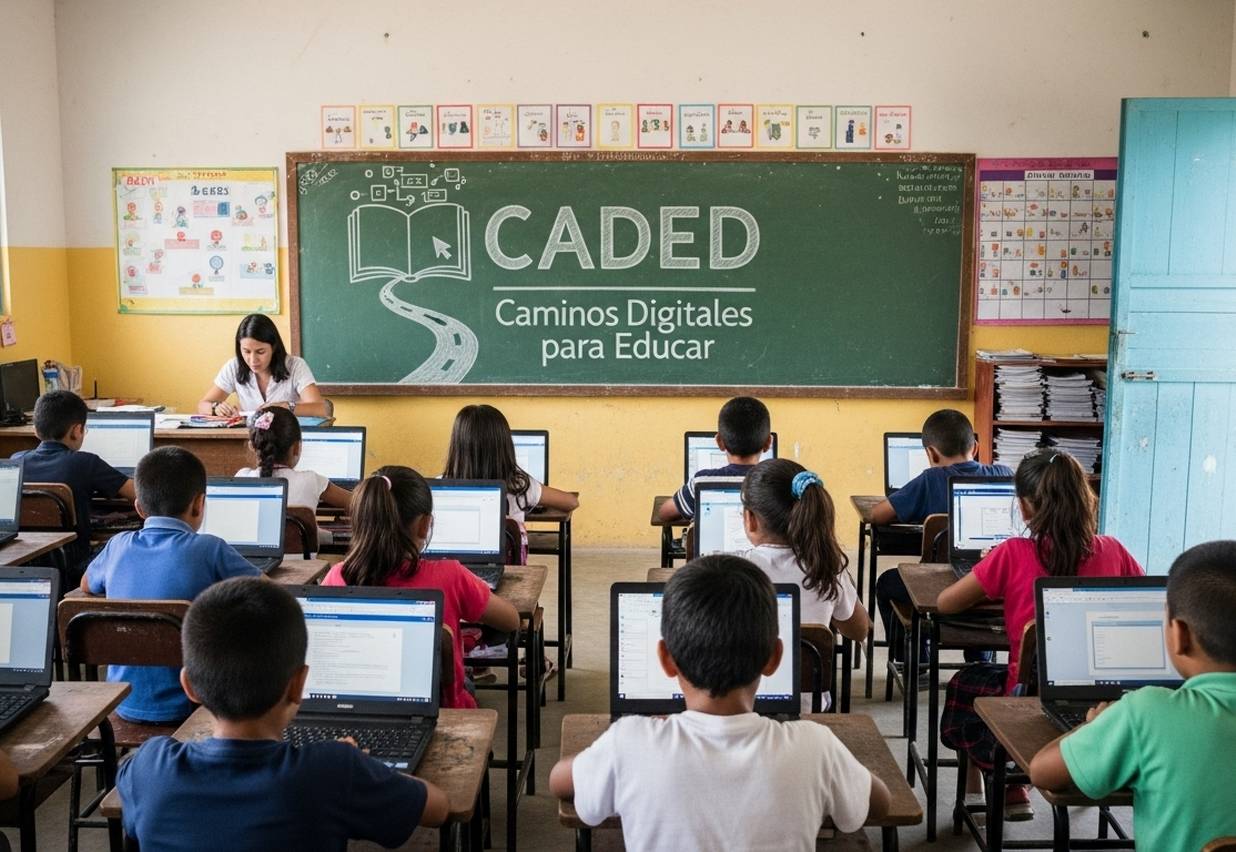
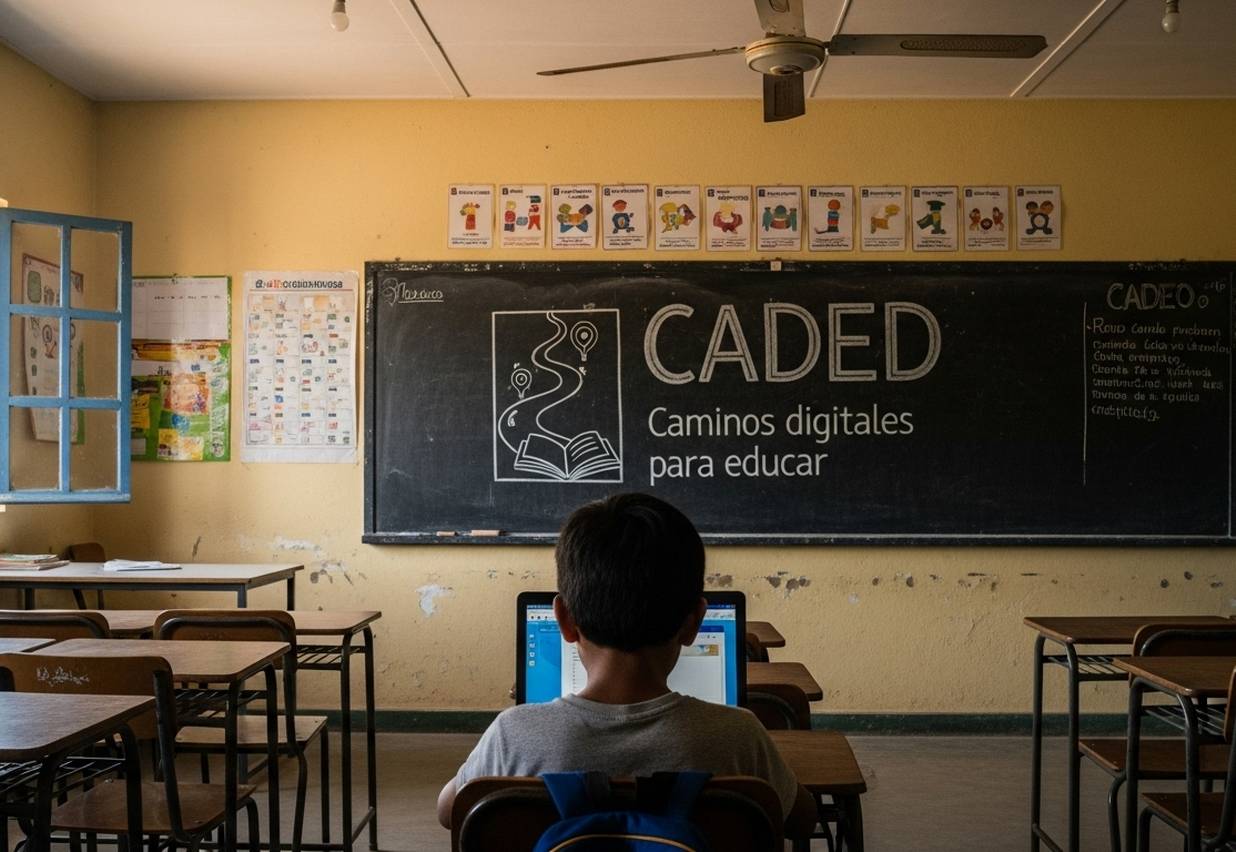
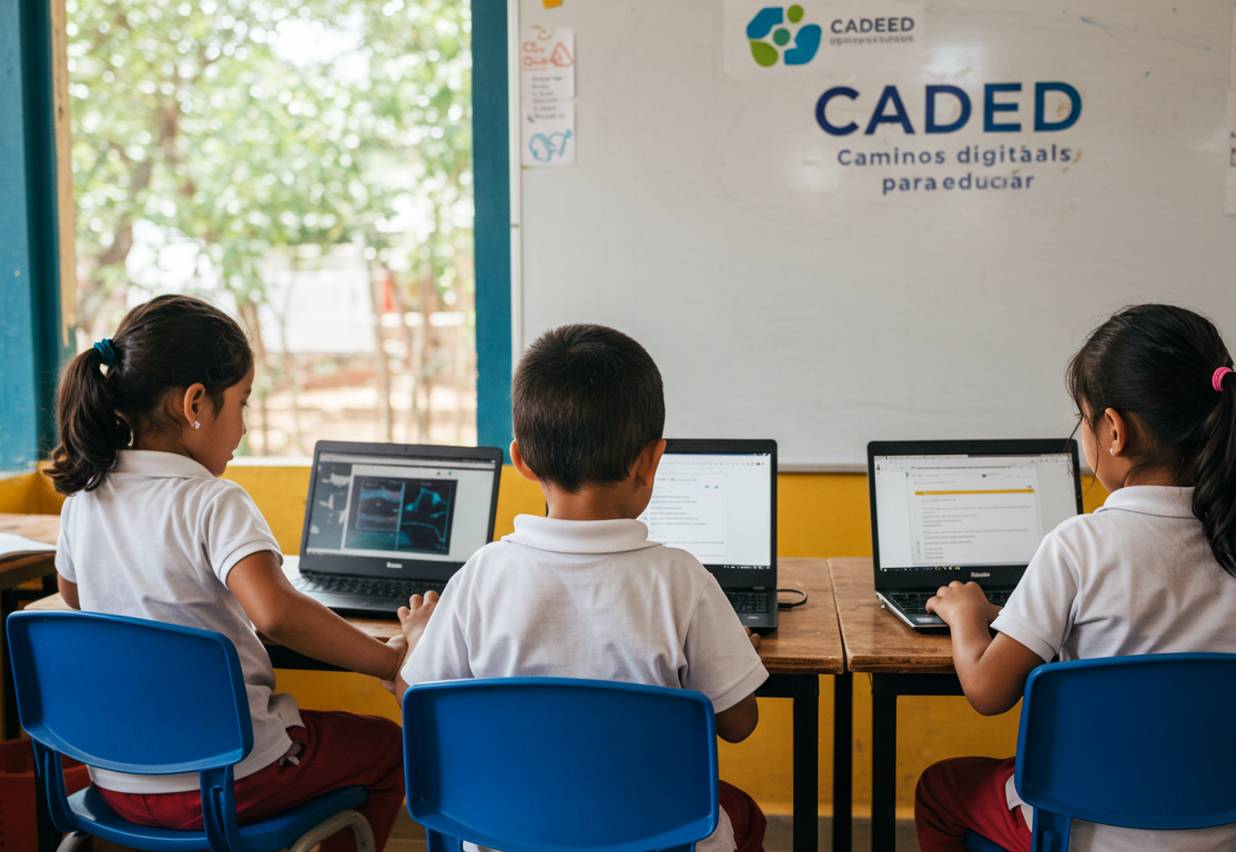
We conduct diagnostic assessments in vulnerable or marginalized areas experiencing poverty where the foundation (CADED) provides care programs. One of the diagnostic assessments conducted in these areas reveals that approximately 70% of families in these communities live in extreme poverty, according to indicators from the National Administrative Department of Statistics (DANE). The lack of access to basic services such as drinking water, sanitation, and electricity directly affects residents' quality of life and limits their educational and employment opportunities. Furthermore, it was identified that 65% of households do not have sufficient resources to cover basic needs, which exacerbates the social and economic vulnerability of families in these areas.
It was also found that access to formal education in these communities is significantly limited, with only 40% of children and young people regularly attending educational institutions. The lack of adequate school infrastructure, combined with poverty, leads to high dropout rates, reaching 25% in these areas, compared to the national average of 10%. The lack of technological resources and teaching materials also impedes the effective incorporation of digital education, deepening the educational gap in the country.
Fieldwork also showed that 80% of families in these communities face difficulties accessing health services and social programs due to geographic dispersion and lack of adequate transportation. Multidimensional poverty is reflected in indicators such as food insecurity, which affects 60% of households, and the high prevalence of poverty-related diseases, such as childhood malnutrition, which affects 30% of children.