Figures on digital education in Colombia
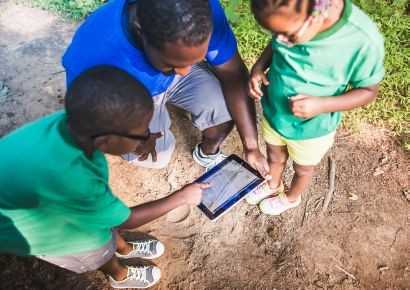
The facts and figures on digital education in Colombia: During the period 2020 to 2025, the lack of access to education in Colombia has been a significant challenge, especially in rural areas and vulnerable communities. According to DANE data, in 2020, approximately 7.5% of school-aged children were not enrolled in the education system, highlighting a significant access gap. The pandemic exacerbated this situation, as many families faced economic and connectivity difficulties, preventing many students from continuing their academic education. Furthermore, the Ministry of Education reported that, in 2021, approximately 15% of students in rural areas did not have internet access or adequate devices for virtual education, exacerbating existing inequalities.
The lack of infrastructure and resources has also been an obstacle to guaranteeing the right to education. According to the Ministry of Education, in 2022, more than 20% of rural educational institutions had deficiencies in basic infrastructure, such as classrooms, furniture, and restrooms, making it difficult for students to stay in school and learn. DANE also notes that, in that same year, approximately 1.2 million children and young people in Colombia were living in extreme poverty, which limits their access to quality education and perpetuates the cycle of social inequality. The lack of resources and adequate support has led many children to drop out of school, affecting their overall development and future opportunities.
According to the Ministry of National Education, in 2023 in Colombia, only 45% of young students had access to broadband internet in rural areas and 85% in urban areas. (That is, 55% of rural students in Colombia do not have equipment or internet access.)